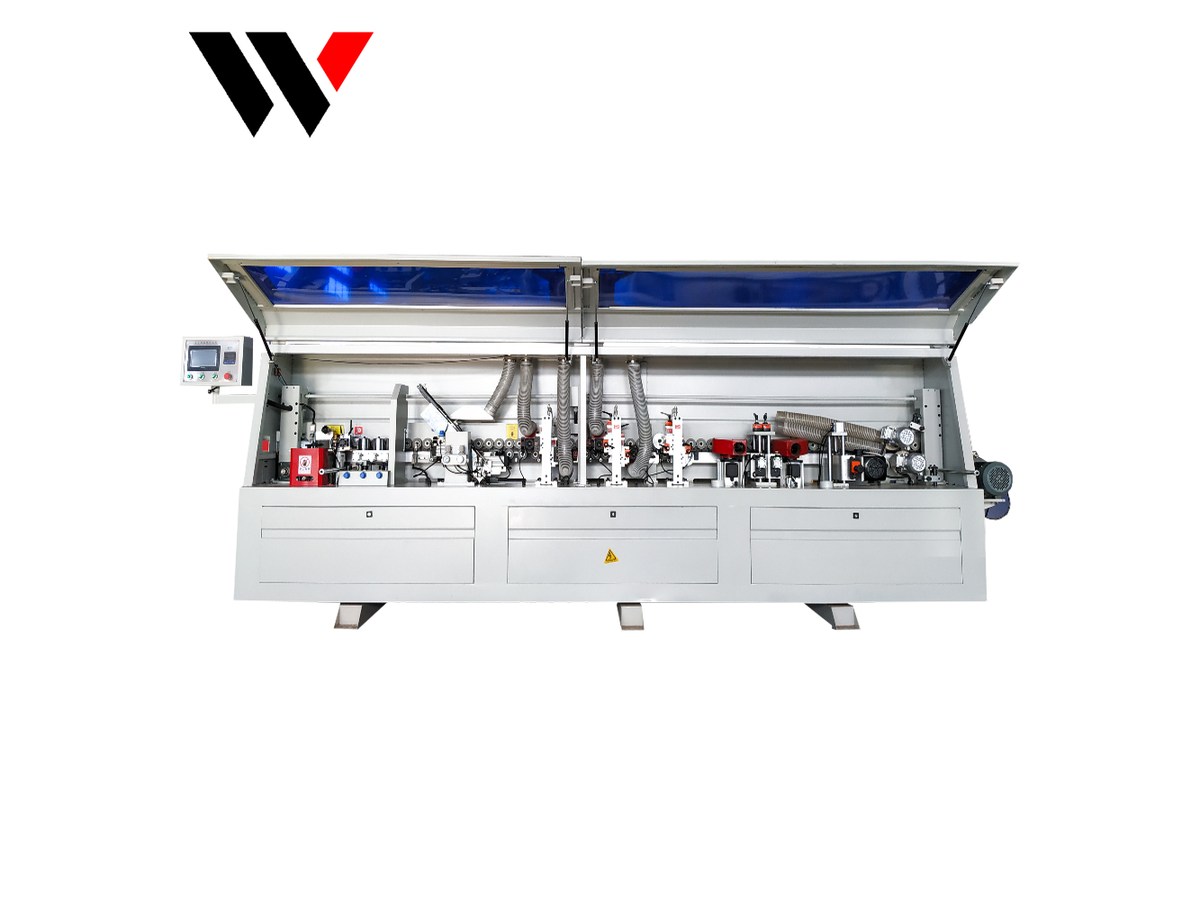
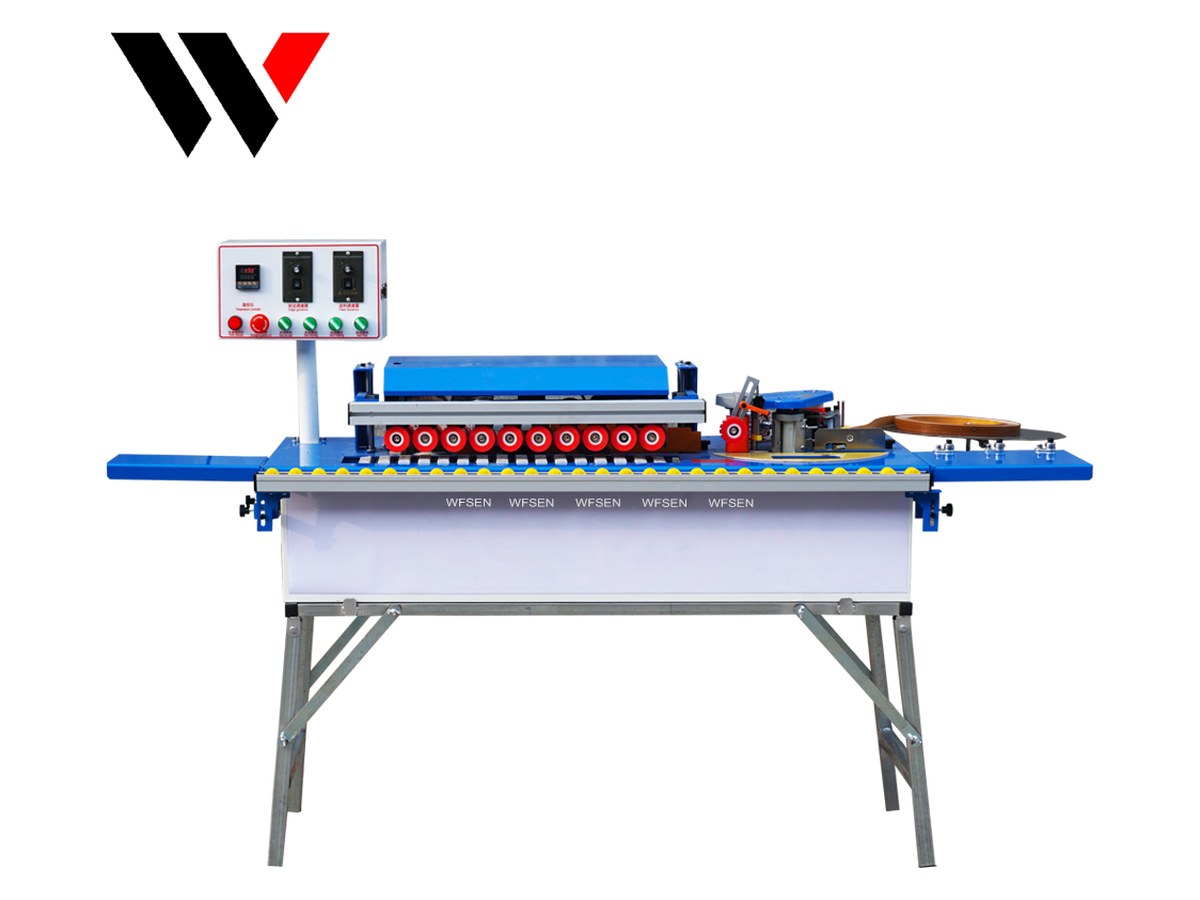
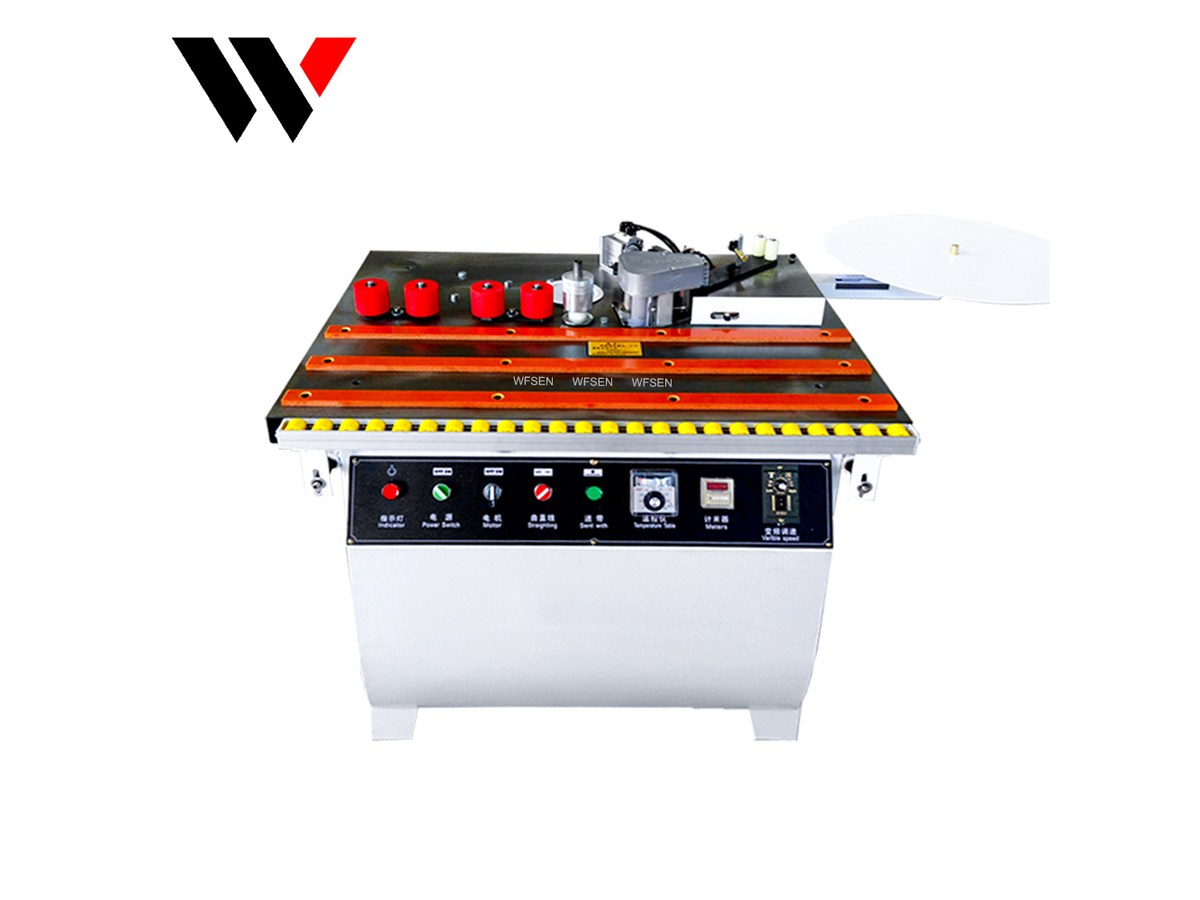
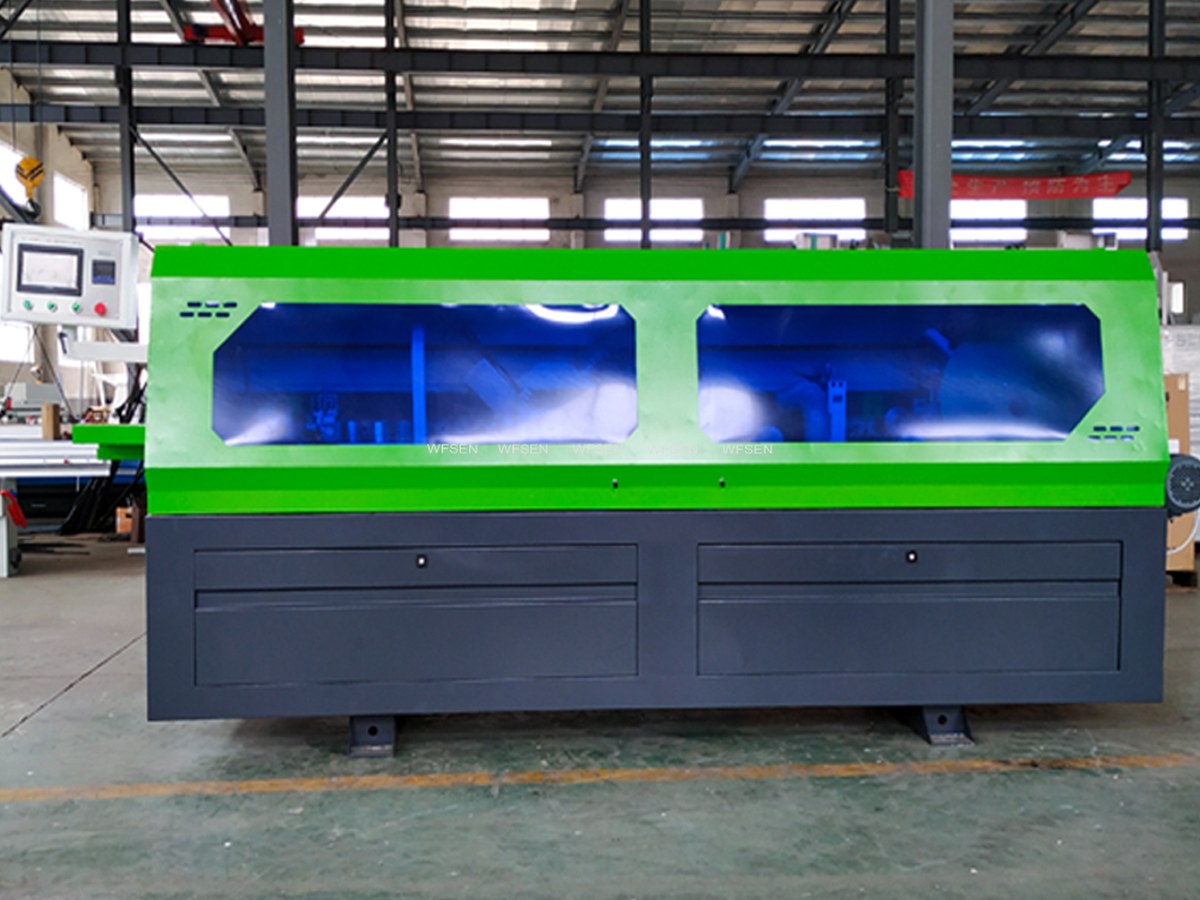
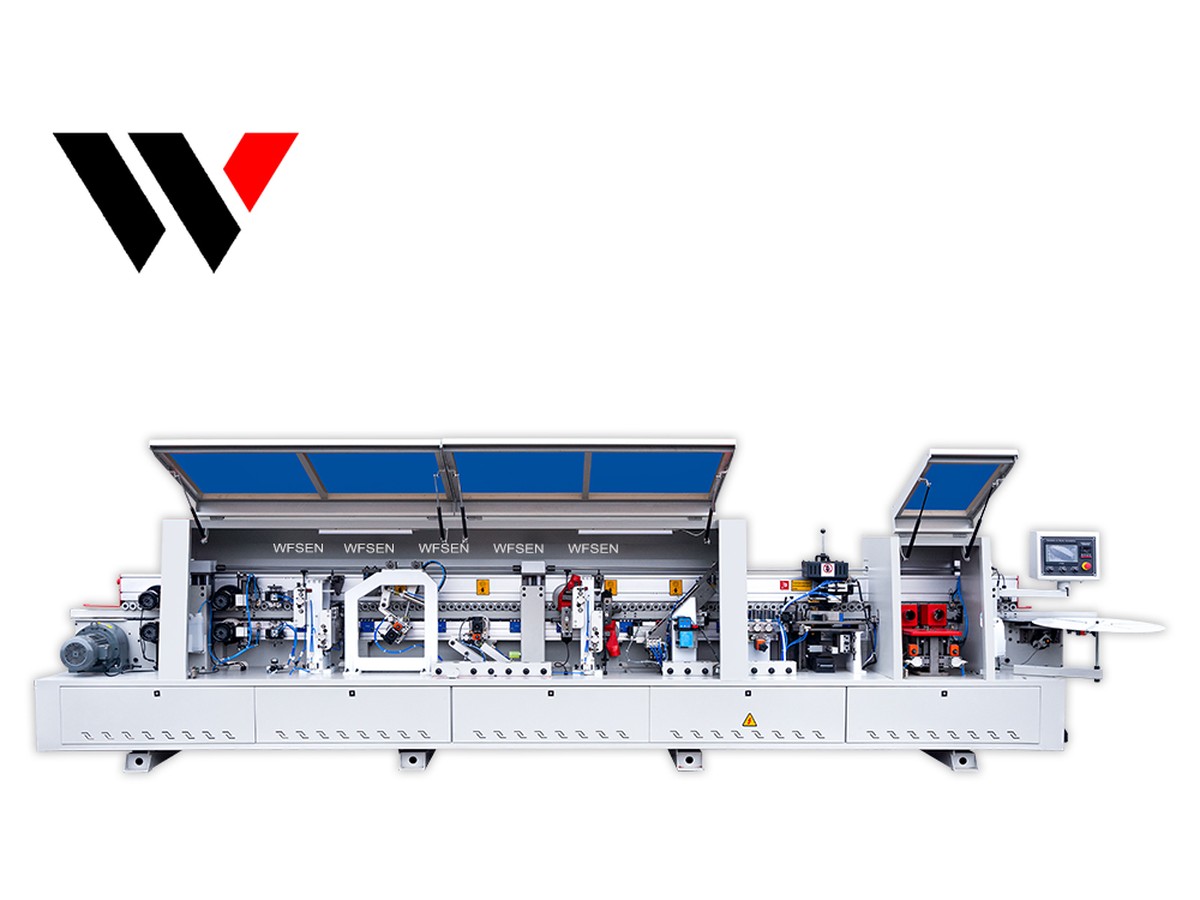
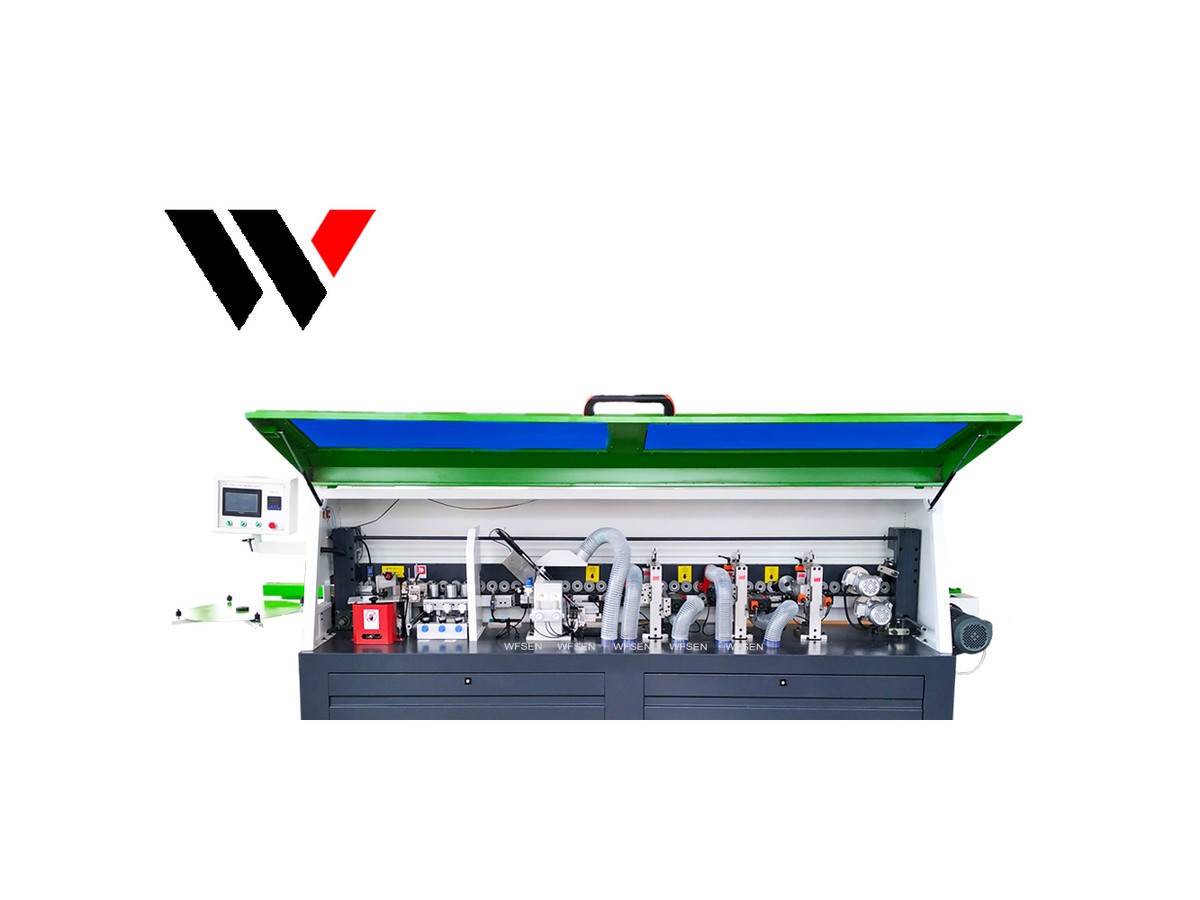
What edge banding does, what each station on the machine is for, and how glue temperature, feed speed and tape thickness decide the finished edge.
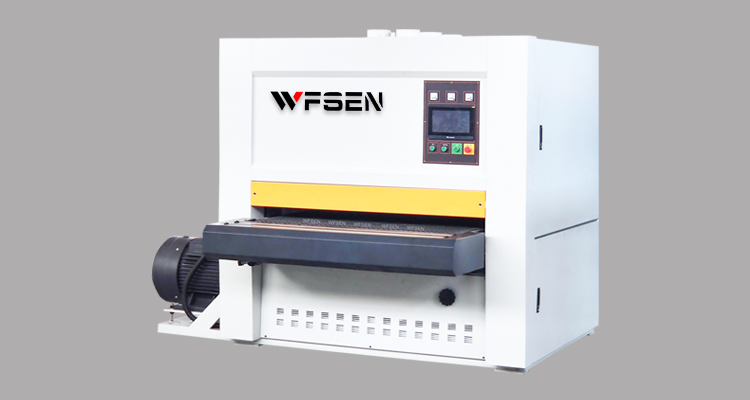
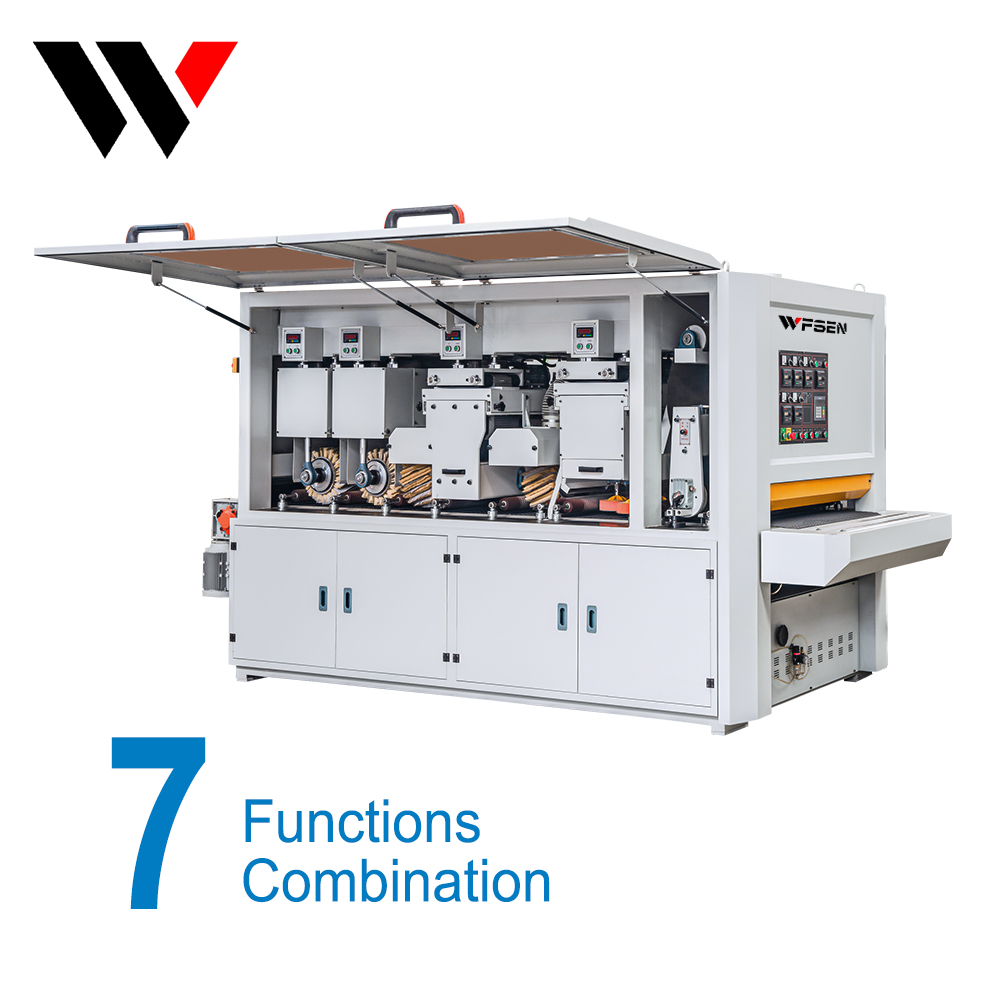
→ READ MOREThe five families of industrial sanding machine compared by heads, working width, thickness and feed speed, with the published figures for every model in the range.
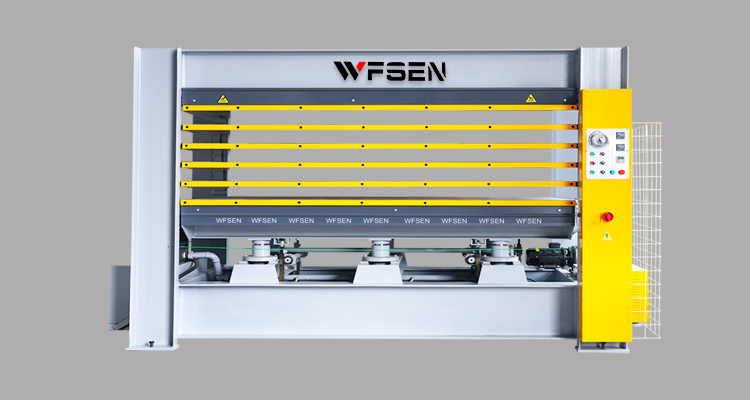
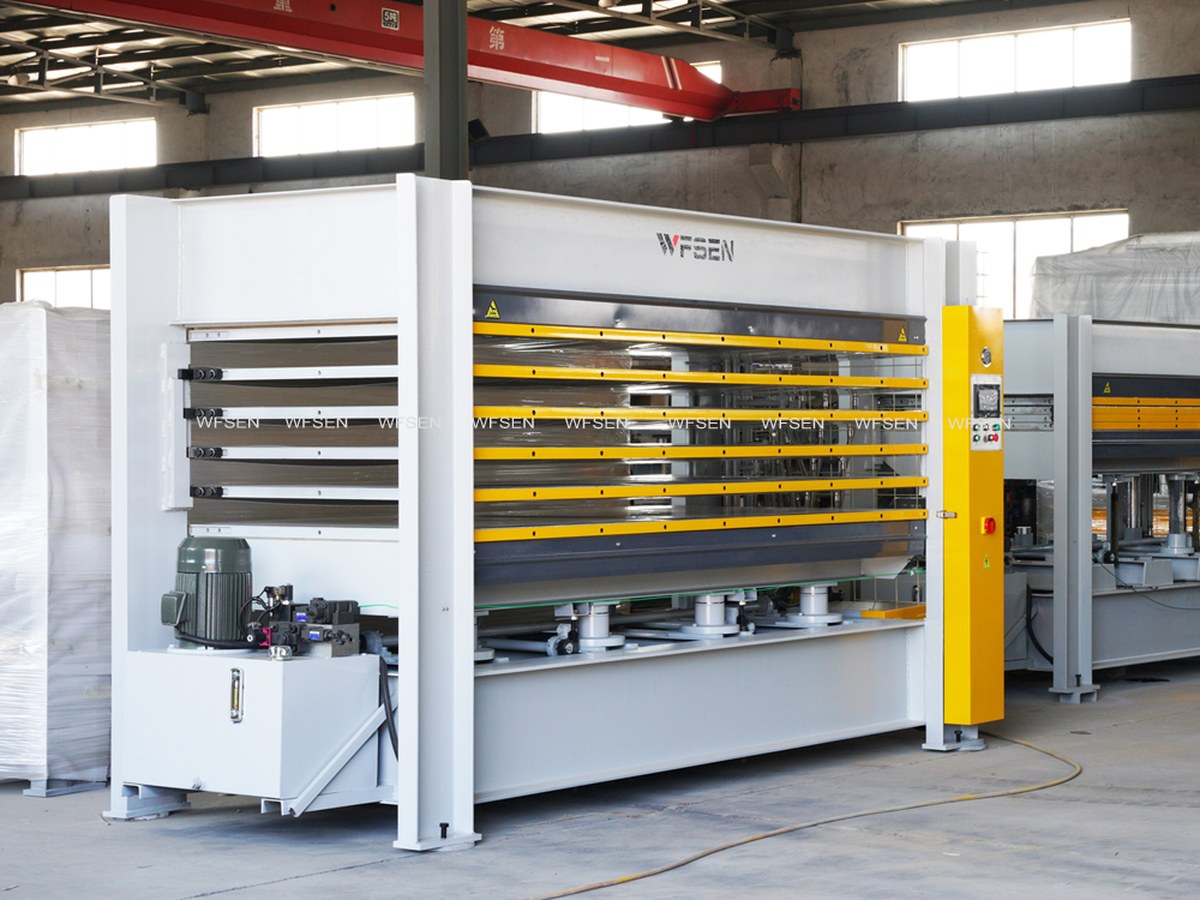
→ READ MOREHow a hot press machine for wood works: the pressing cycle, platens, hydraulic cylinders and thermal oil circuit, the 100-300 ton range in five models, and what layers, opening and temperature mean.
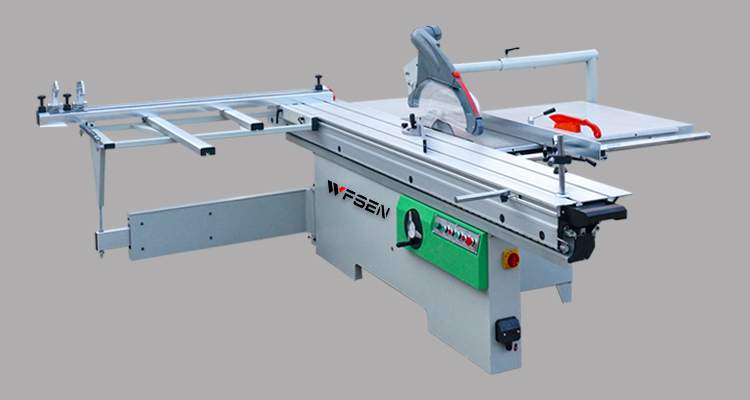
→ READ MOREHow to read a sliding table saw specification: cutting length, main and scoring saw, 45 degree tilt, table width and cutting width, with the published MJ6232TD figures and the wider saw range.
→ READ MOREA 15 kg bench unit and an 80 kg compact straight-line machine are both called small. What each one can actually edge, and the four settings that decide the result.
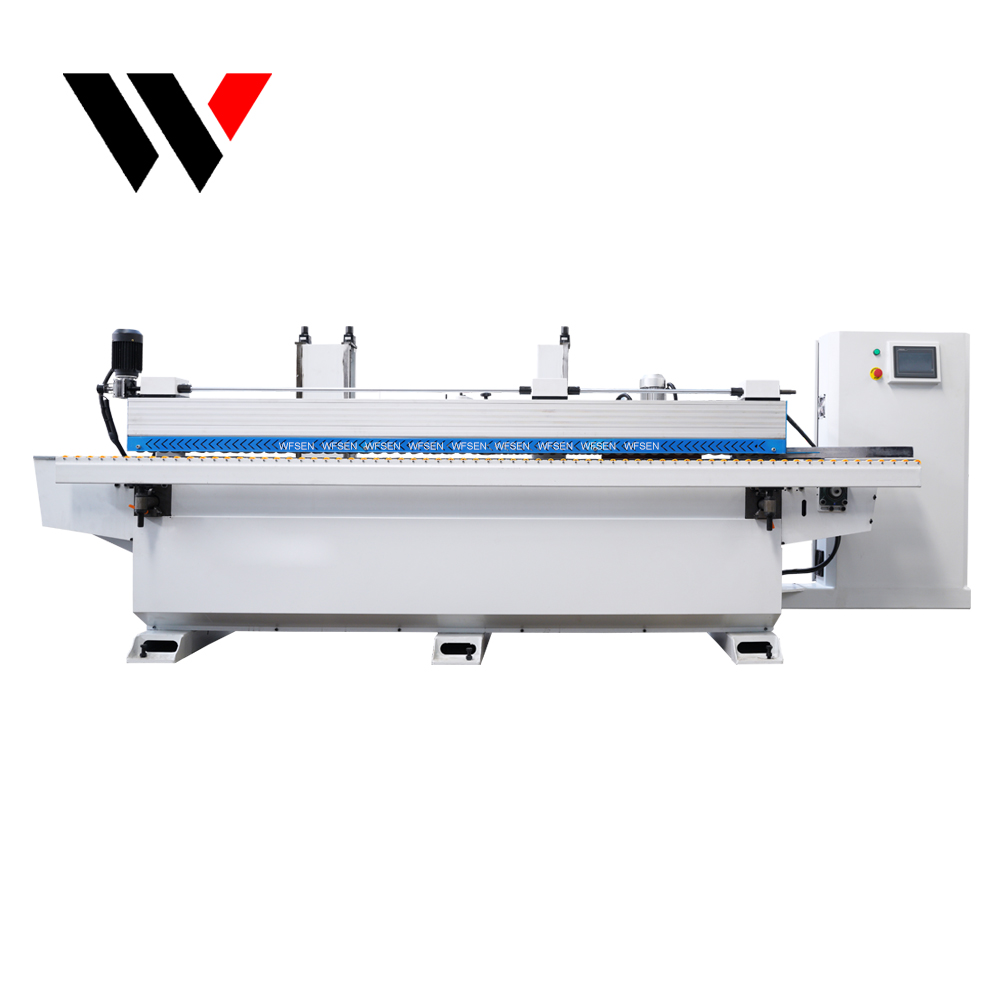
→ READ MOREWhen a manual or curve edge banding machine beats an automatic one: the 0.15–5 mm tape band, the 20 mm minimum radius, the controls you set, and what the 0.25 kW motor does not do.
→ READ MORETwo automatic models, one question: six stations or eight? What pre-milling and corner rounding actually change, and the specifications that are identical on both machines.
→ READ MORESize a plywood pressing line from the board you sell: glue spreader, cold press and hot press working as one stage. Specifications, daylight sizing, utilities and the failures that start on the press.
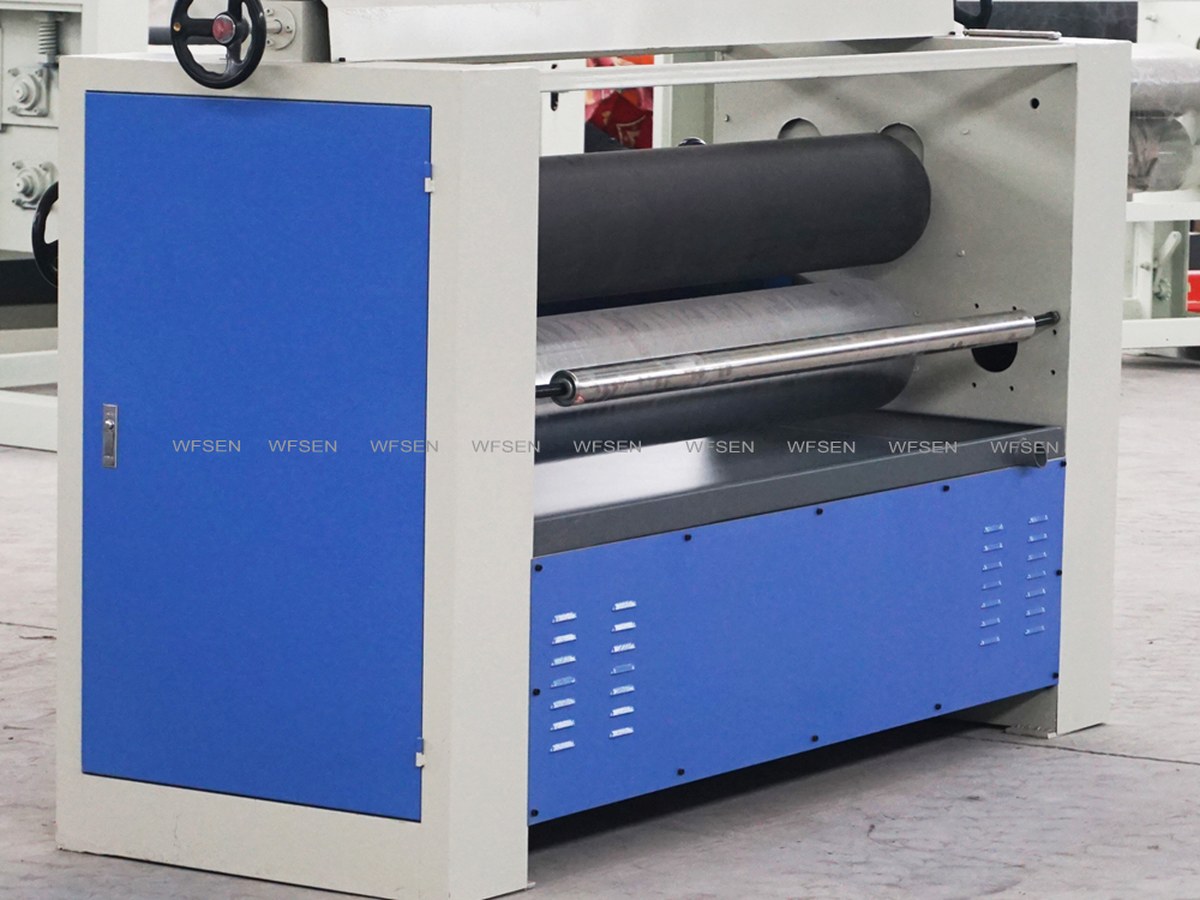
→ READ MORESet a glue spreader for the bond you need: roller gap, doctor blade and feed speed, how the spreader is matched to the press behind it, and five signs the film weight is wrong.
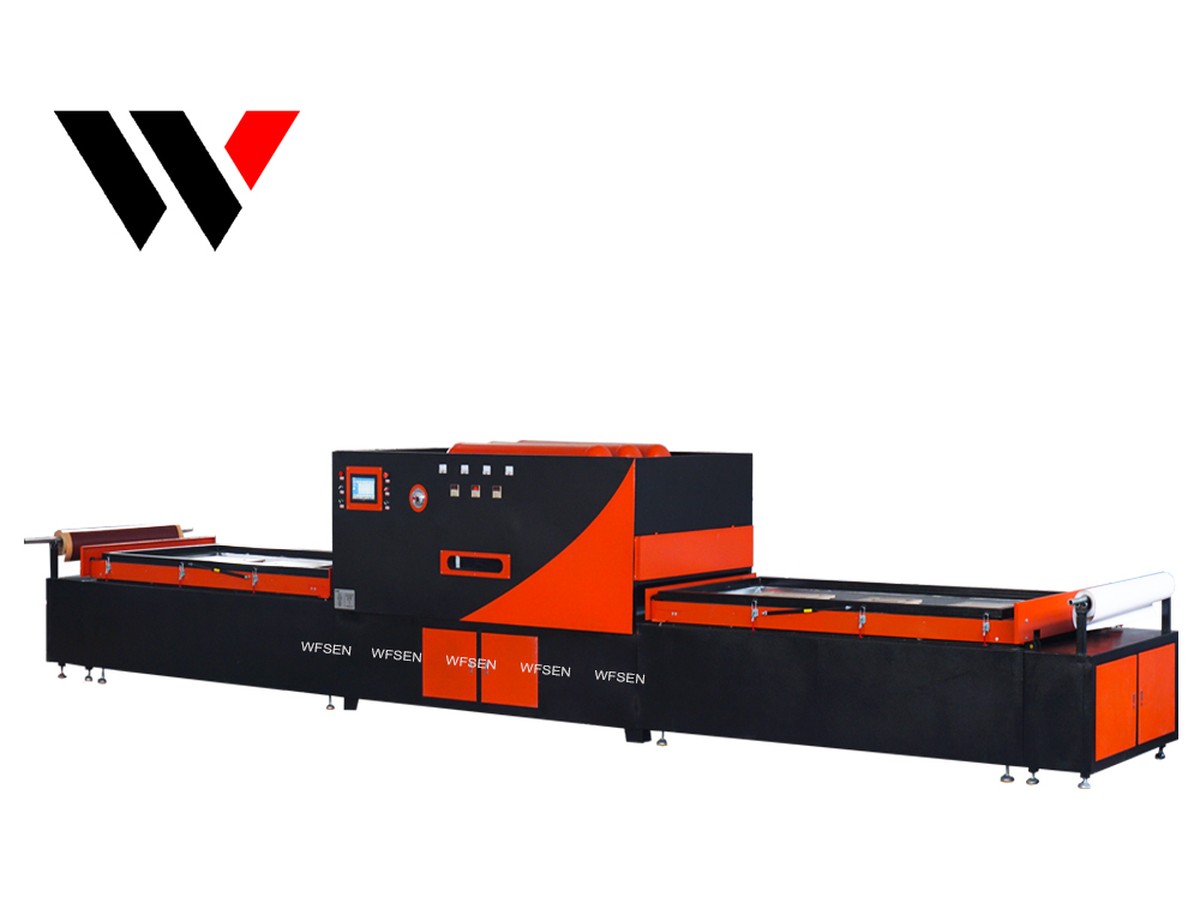
→ READ MOREA membrane press forms the film over a shaped door, which a flat platen cannot. How to size the worktable, read the two power figures and avoid five lamination defects.
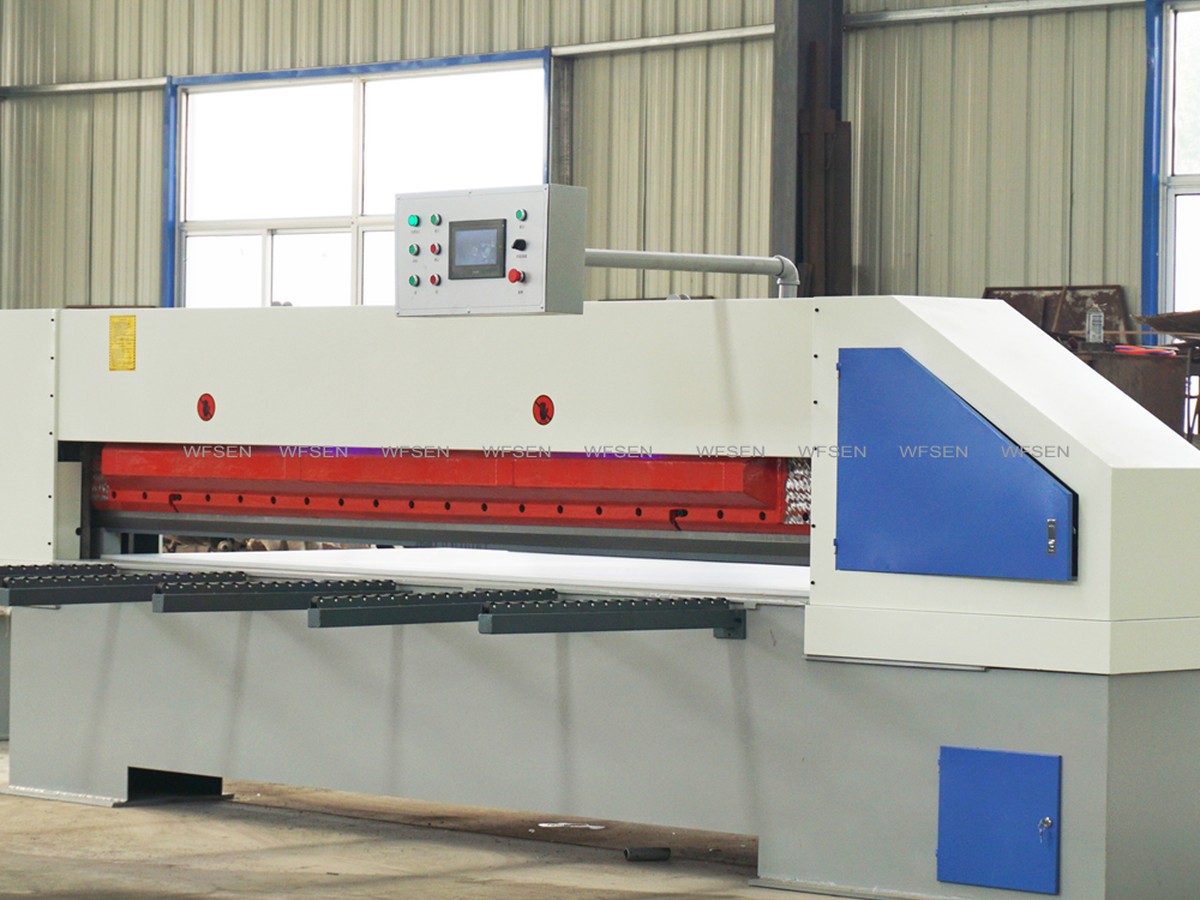
→ READ MOREA veneer clipper sizes and trims veneer before the glue stage. How cutting length is chosen from the panel you sell, and what the knife, beam and outfeed actually decide.
→ READ MOREFive specification decisions move the price of an edge banding machine — stations, motorised trimming, frame and feed system, site infrastructure and tooling — and how to compare two quotations properly.
→ READ MOREEvery edge banding machine in the range by weight, outline size, power, feed speed and edge tape range — from the 15 kg bench mini to the 2,200 kg eight-station automatic. Where a product page does not publish a value, we say so.
→ READ MOREHinge drilling, line drilling and door lock mortising machines compared: heads versus spindles, the published specification of all four models, and what decides which one a workshop needs.
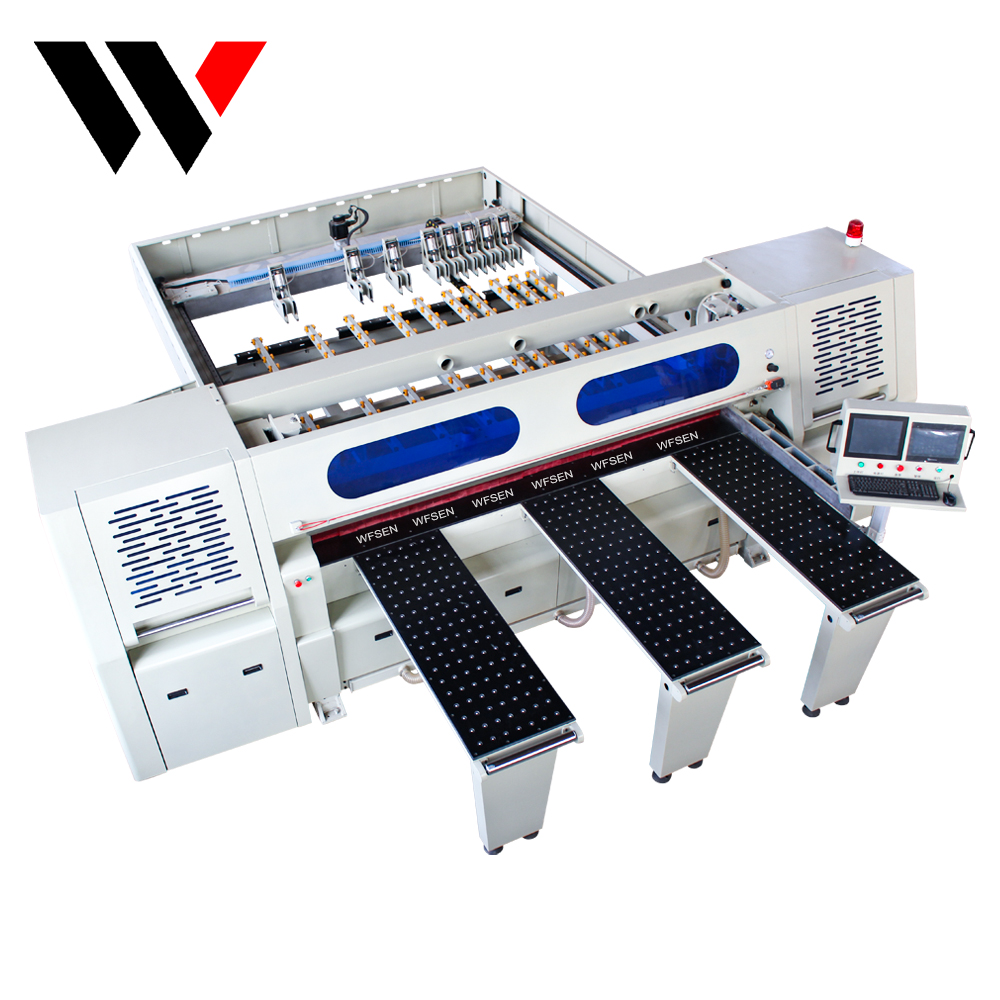
→ READ MOREBeam saw, vertical panel saw and sliding table saw compared: what each one cuts, the published cutting size and accuracy of all six WFSEN models, and what decides which one a workshop needs.
→ READ MOREWhat the polishing units on a wood polishing machine actually are, why two machines with the same unit count are not the same machine, and the published working range and weight of all six WFSEN models.
→ READ MOREHow a surface planer, a thicknesser and a wide belt thicknesser differ, what each one does in the sequence, and the published specification of all three WFSEN machines.
→ READ MOREEdge sanding machines for straight and shaped edges: the station code explained, and the published specification of three WFSEN machines including pre-milling and belt size.
→ READ MOREHow the belt is sized by the machine rather than the grit: the published belt sizes for the WFSEN sanding range, why 1300 mm machines take two different belt lengths, how many belts a three-head sander carries, and the signals that a belt is finished.
→ READ MORETwo cutting edges decide the finish on a panel: the circular saw blade and the planer knife. What the CG101 saw blade grinder has to hold, why a frame that rotates L30 and R45 matters, why the PS110 clamps four planer knives at a time, and what to check on your own blade shelf before you order.
→ READ MOREOne pass planes the bottom face, the top face and one edge. That is work a planer, a thicknesser and a saw do in three setups. The MB4015 covers stock from 20 to 150 mm wide and 8 to 100 mm thick. What the fourth face really needs, and where the machine stops paying.
→ READ MOREThe spindle moulder has no feed and no enclosure, so the setup decides the finish. The MX5117B gives a 35 mm shaft, a 1100 x 670 mm table and three speed steps. What each number rules out, and the order to set the block, the fence and the feeder.
→ READ MOREA 1300 mm thickness planer is bought for glued panels, not single planks. The B1300 takes 26 kW, 4 mm per pass and 6 to 30 m/min. What the width decides, what it does not, and the four checks to run before ordering.
→ READ MOREA table saw, an edge bander and a dust collector that fold into three pieces of 50, 20 and 15 kg. Who this combination is built for, where 3 kW and a scoring blade change the result, and the four limits worth knowing before a van is loaded.
→ READ MORE